A staircase is more than a decorative wall: the edges of steps and changes in direction need to be readable. Examine the route by day and night before choosing the style of fittings.
Sketch the route
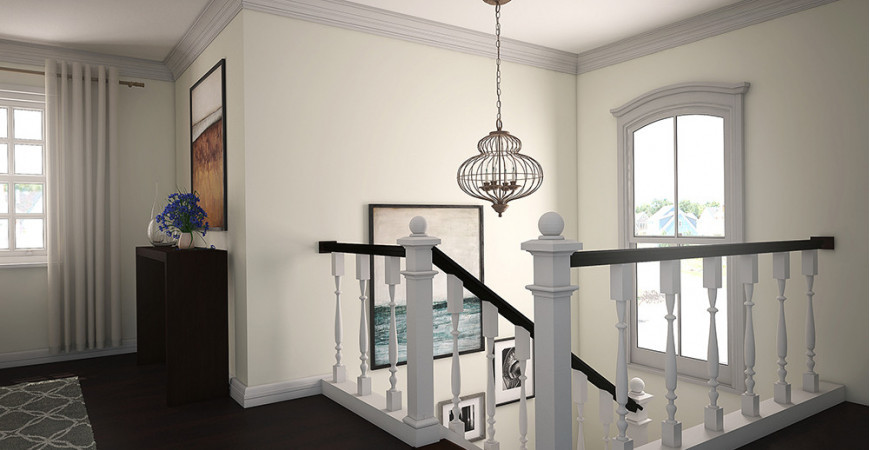
Mark the bottom, top, landings, turns and doors. Add the handrail and places where heads or shoulders could approach a fitting. A light seen from below can cause glare even if it appears discreet from above.
Compare lighting families
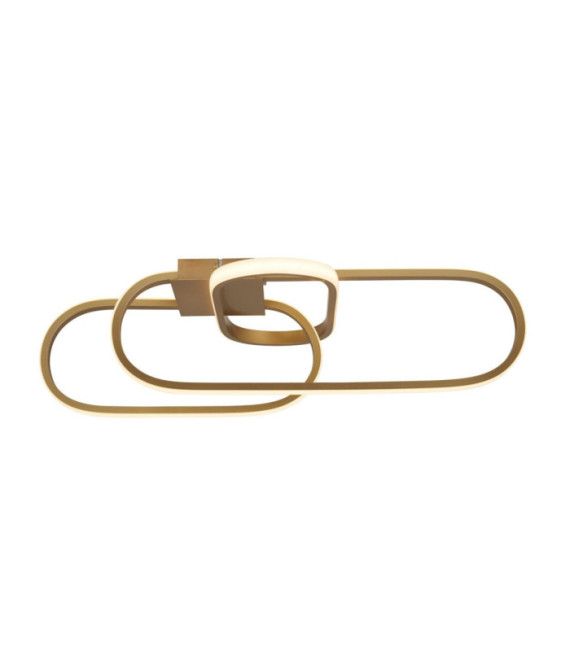
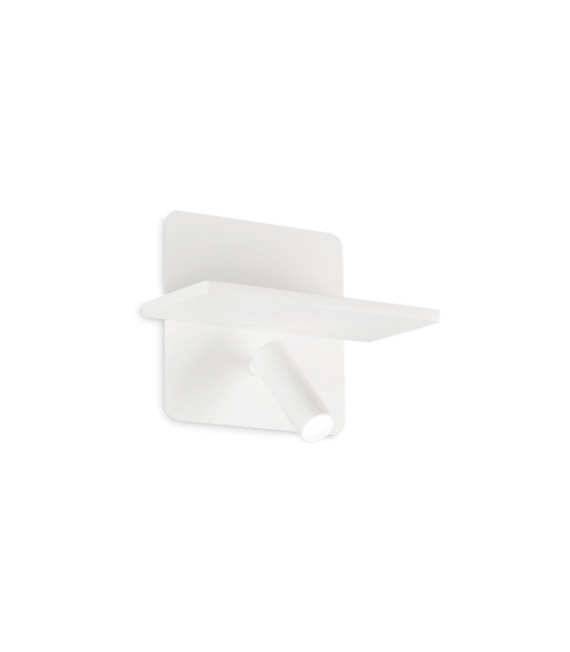
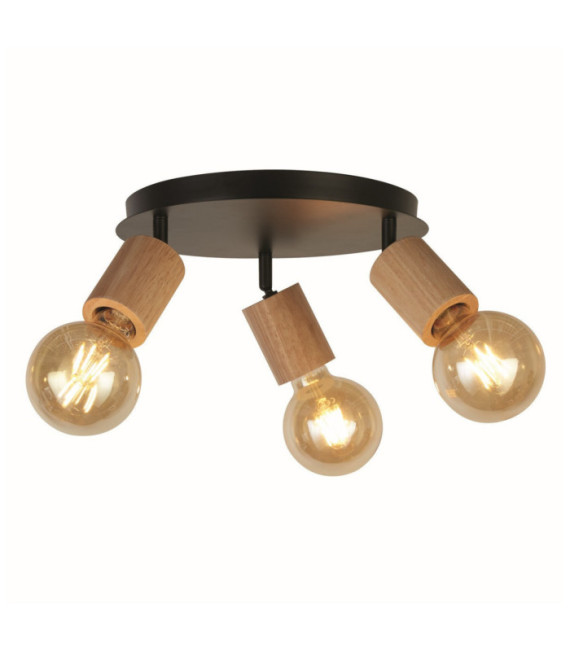
Ceiling lights can serve landings; wall lights accompany a wall; markers may highlight steps where suitably positioned. No family alone guarantees sufficient light everywhere. Check stated distribution and avoid strong shadows that conceal step edges.
Plan the controls
Light should be controllable from useful access points. Ask an electrician to check the intended operation: multiple controls, detection and timing depend on the installation and equipment. Do not assume an integrated sensor covers the full route without checking.
Measure clearances
Check wall-light projection, pendant drop and door movement. With an open staircase, consider views across the room too. Fixing must suit the support and actual weight. Difficult access makes planning maintenance at the selection stage especially important.
Validate before buying
Gather dimensions, photographs in both directions, electrical positions and proposed references. For a complex route, ask for a suitable layout rather than an arbitrary number of fittings. This guide prepares useful questions; it does not replace an installation safety assessment.