A dark living room does not necessarily need a more powerful bulb. One source often leaves corners in shadow and creates strong contrasts. Start with what you do in each part of the room.
Map the room and its activities
Sketch the sofa, reading chair, television and routes through the room. Mark existing sockets and available floor space. Identify the missing task: seeing the route, reading comfortably or softening a dark wall. Then choose a lighting family for each need.
Illustrative example: a 3 × 4 metre room
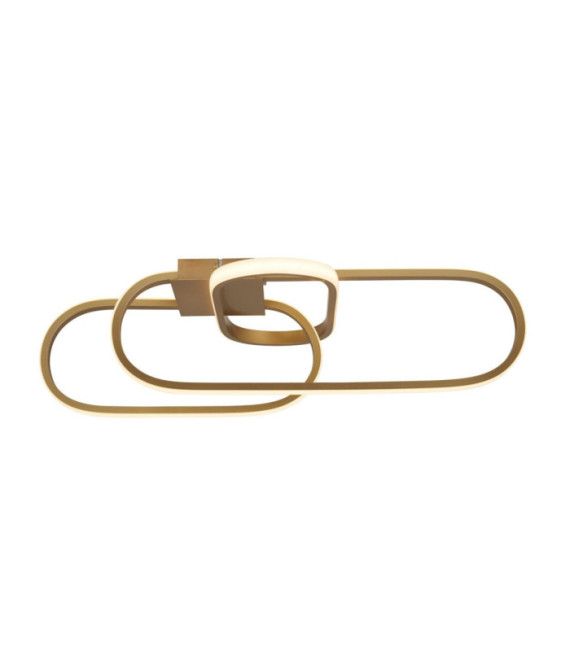
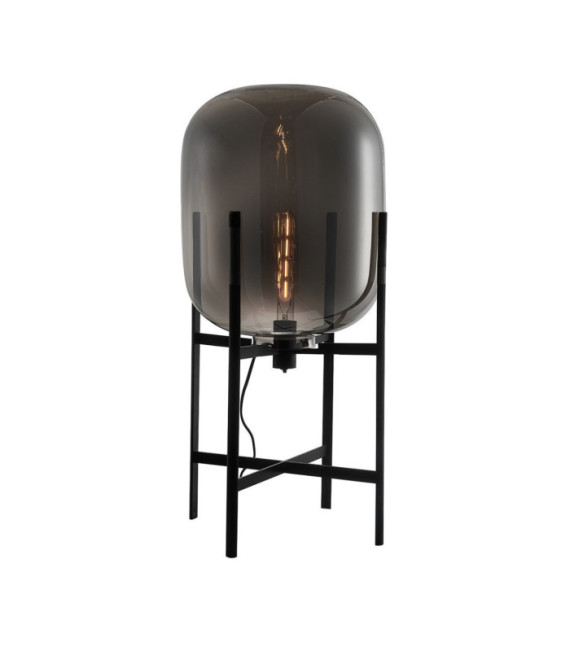
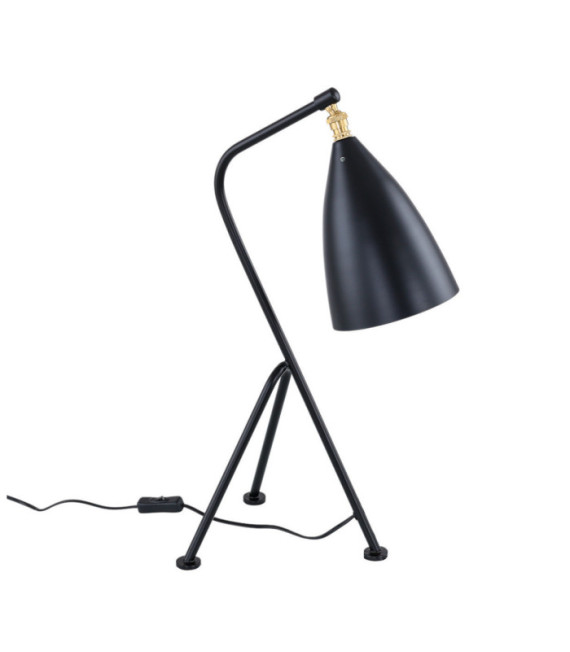
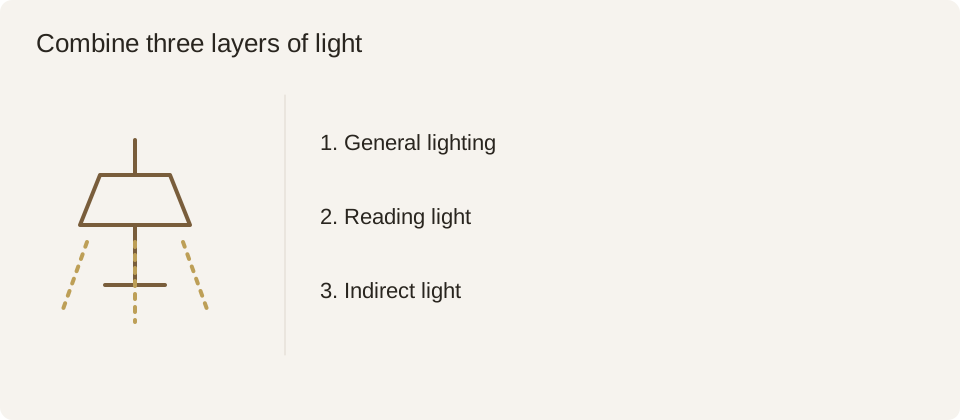
Imagine a sofa against a long wall, an armchair near a socket and a television opposite. A diffuse ceiling light or pendant can provide general light. A floor lamp directed towards a book serves the chair. An occasional lamp beside a pale wall adds a softer third layer. This is a layout example, not a measured lighting result.
Give each source a task
| Need | Option to compare | Useful check |
|---|---|---|
| Moving around | Diffuse ceiling light or pendant | Available height and distribution |
| Reading | Directed floor lamp or table lamp | Source position and accessible control |
| Atmosphere | Occasional lamp or indirect light | Illuminated surface and available socket |
Reduce uncomfortable contrasts
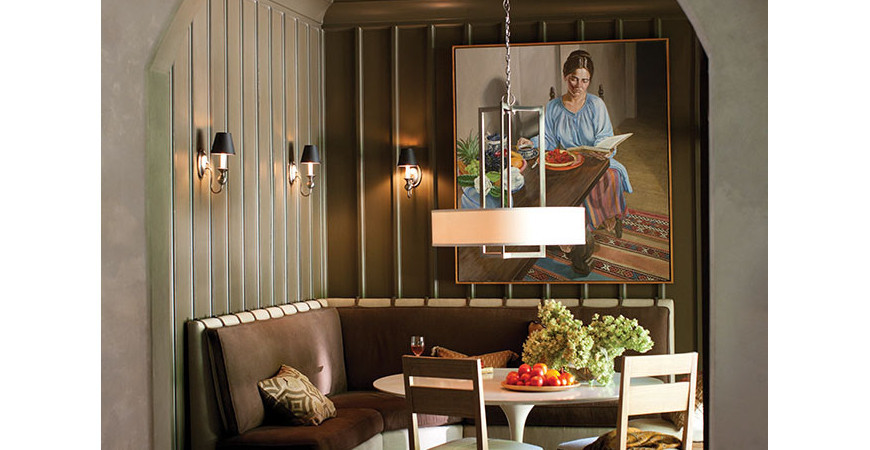
Avoid a bare bulb in the line of sight and direct reflections on the television. A pale surface can reflect some light, but a mirror creates no light and does not replace a source. Try positions before fixing a fitting permanently.
Select specifications and controls
Compare stated lumens and available colour temperatures; aim for a coherent appearance among sources seen together. Dimming can help create different scenes only when fitting, source and control are compatible. Address the most important task first, then add layers: three poorly positioned fittings do not automatically improve lighting.