Lighting a facade is not about sending as much light as possible onto a wall. Decide what must be seen: a handle, number, route or texture. Those tasks may need different fittings.
Separate the useful zones
At an entrance, check visibility of the threshold and visitor. On a terrace, consider the table and access routes. For a wall accent, examine the beam effect without assuming it also provides sufficient route lighting.
Read the stated distribution
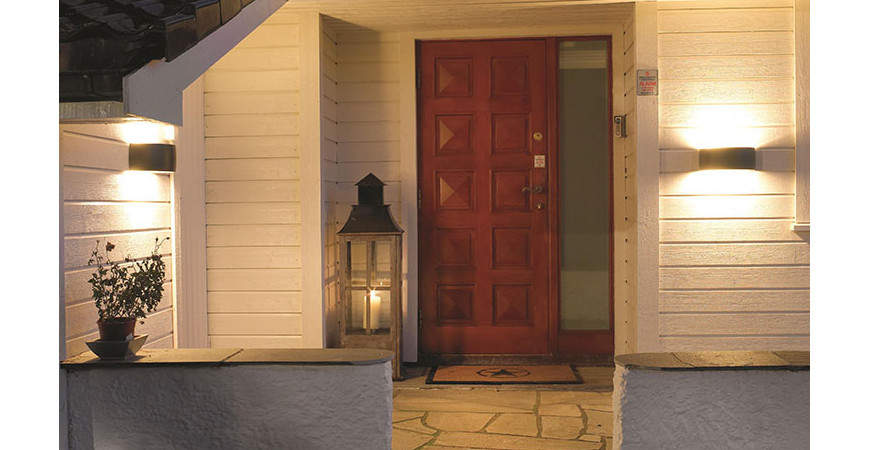
An up/down wall light and a diffused fitting create different patterns. A demonstration photograph also depends on wall finish and distance. It does not guarantee the same effect on dark stone or a textured facade. Look for available optical data.
Check viewing angles
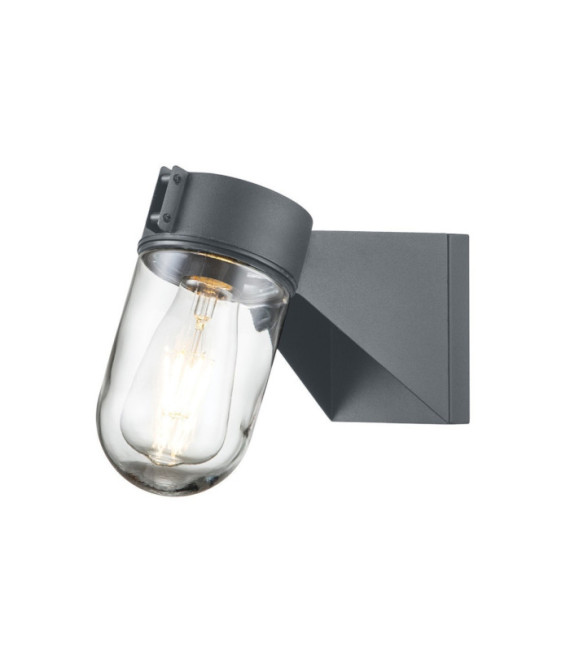
View the source from the path, doorway, seats and neighbouring windows. A decorative fitting may be uncomfortable when its bulb is directly visible. Avoid directing unnecessary light beyond the intended area and have the layout adjusted where needed.
Compare materials and installation
Read IP, material and finish together with the instructions. Black paint or a stainless-steel appearance does not guarantee coastal suitability. Confirm backplate size, cable entry and support compatibility. Power and fixing must be checked by a professional.
Plan everyday operation
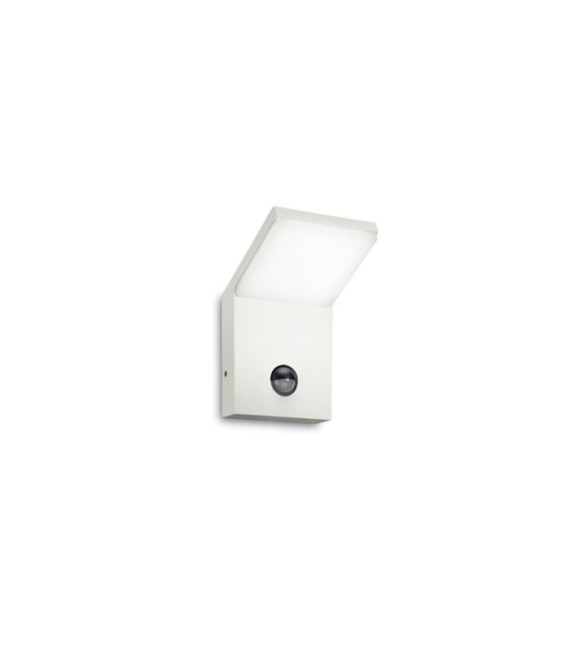
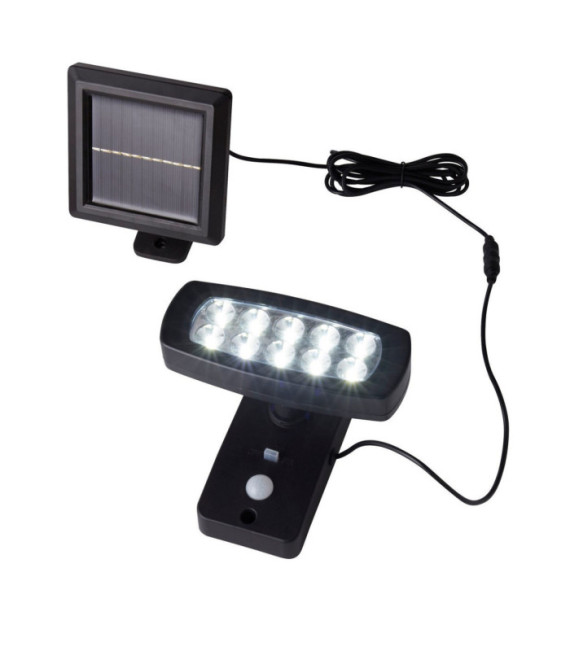
Check whether a sensor, timer or dimming is included, optional or absent. Choose controls suited to hours of use rather than unnecessary permanent lighting. Before ordering, gather a wall photograph, dimensions, existing electrical positions and candidate references for specific advice.