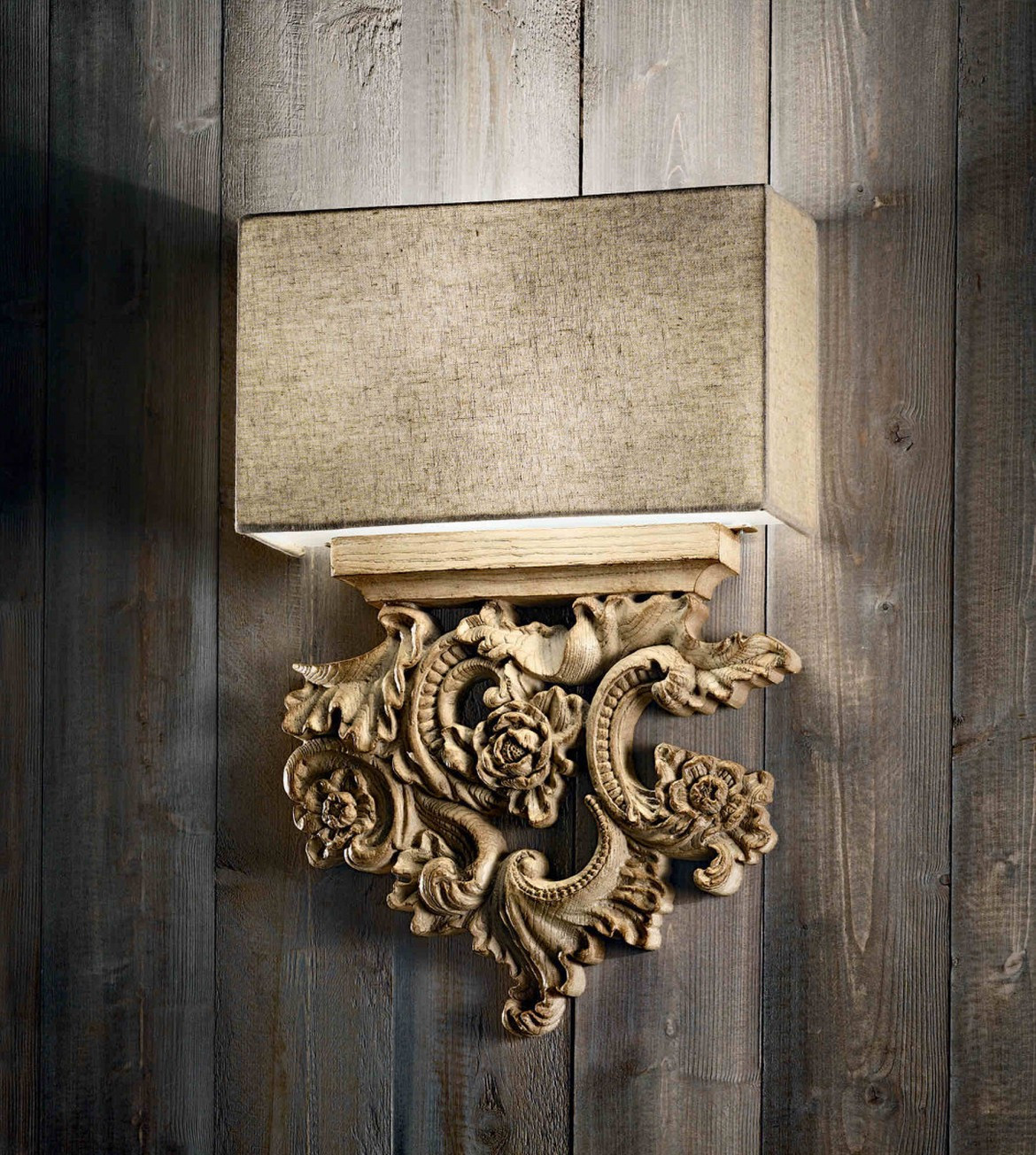
Good lighting by room starts with what you do in each one. Pick the room, then combine ambient, task and accent light from pendants, wall lights and lamps.
Room-by-room lighting benchmarks
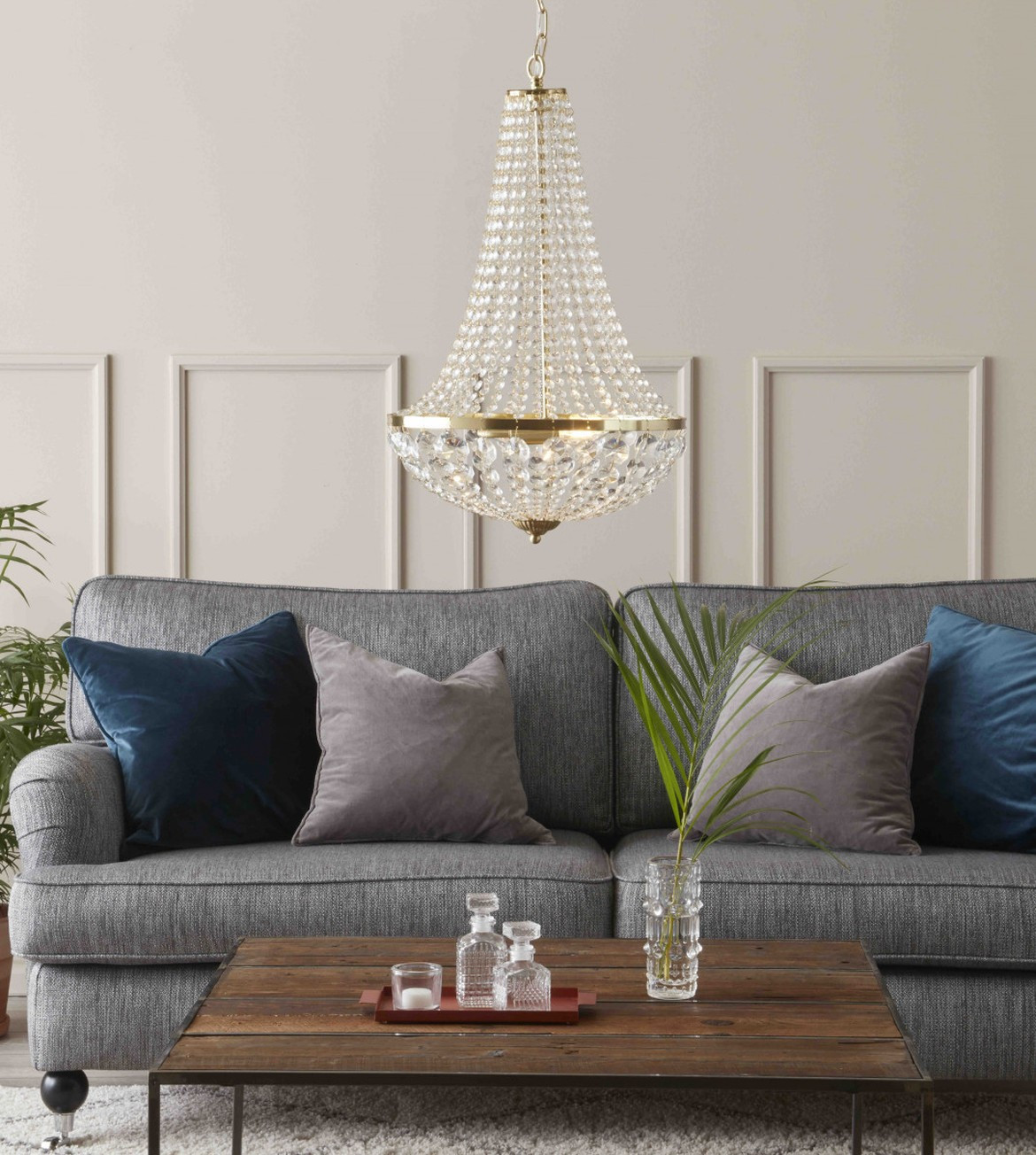
- Living room and lounge: 100 to 150 lumens per m², 2,700 K warm white, several light sources on dimmers. See our living room lighting.
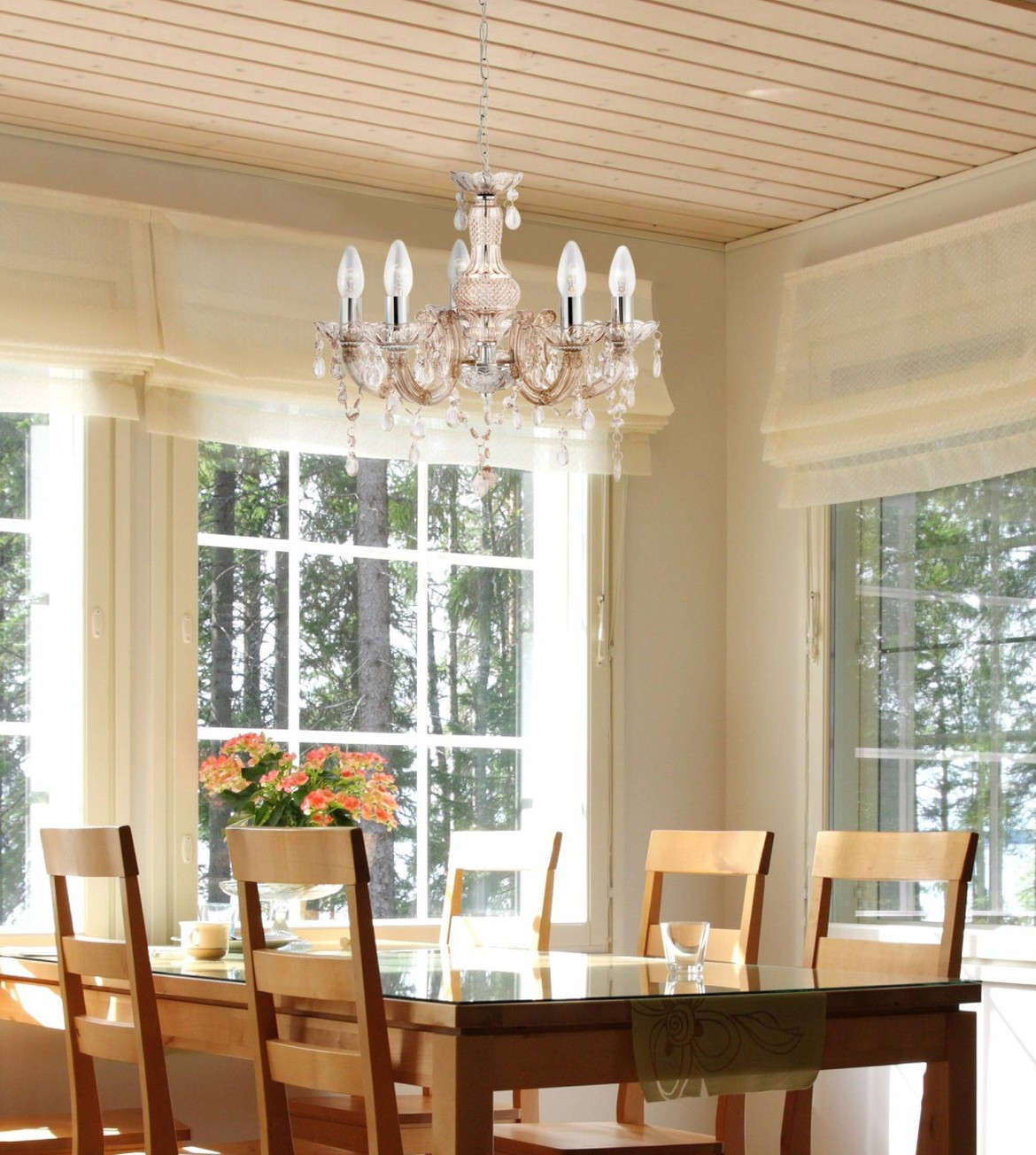
- Dining room: a pendant or chandelier 70 to 80 cm above the table, in 3,000 K warm white.
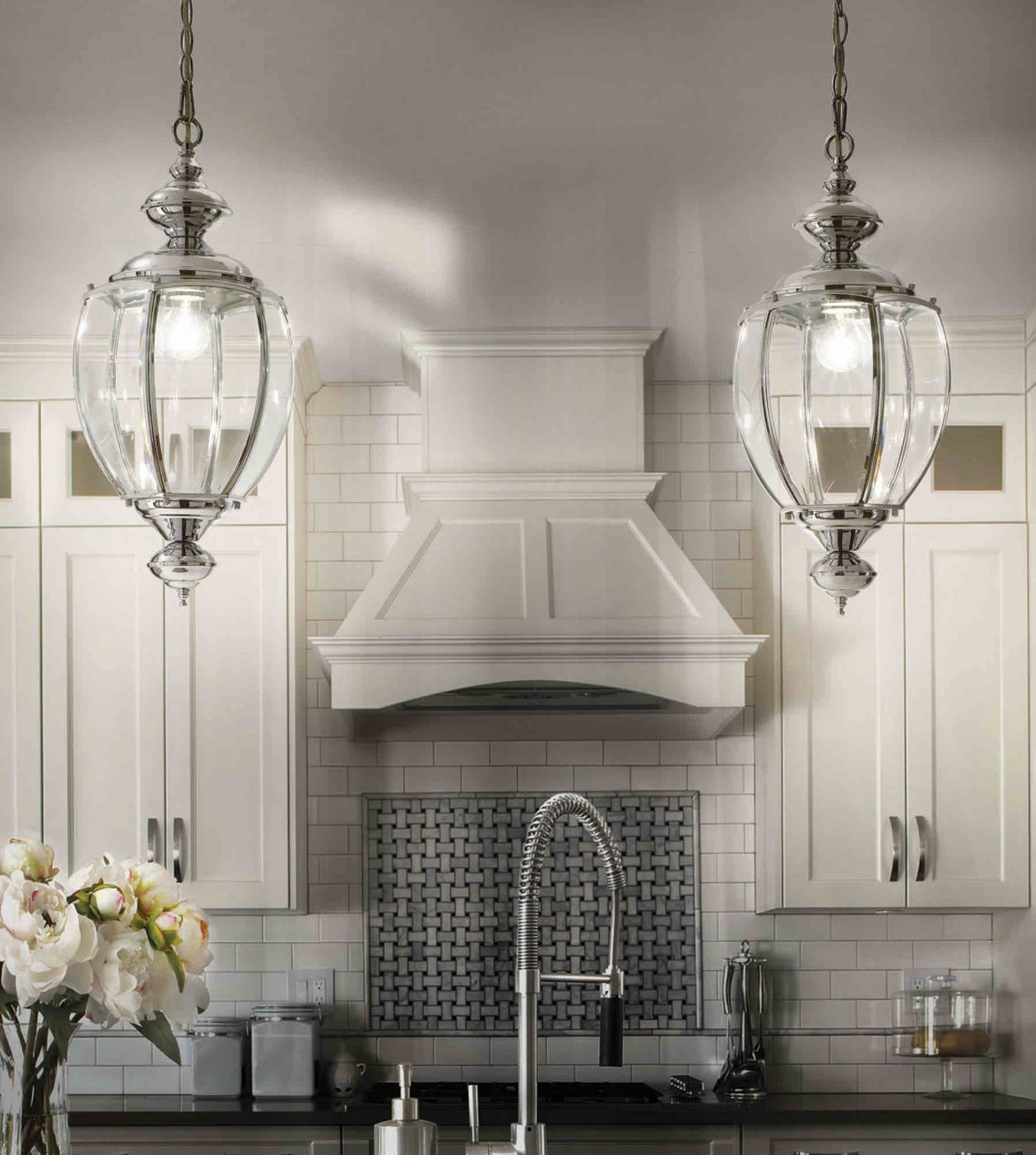
- Kitchen: 200 to 300 lumens per m², 3,000 K warm white for general lighting. On the worktop, 4,000 K neutral white. See our kitchen lighting.
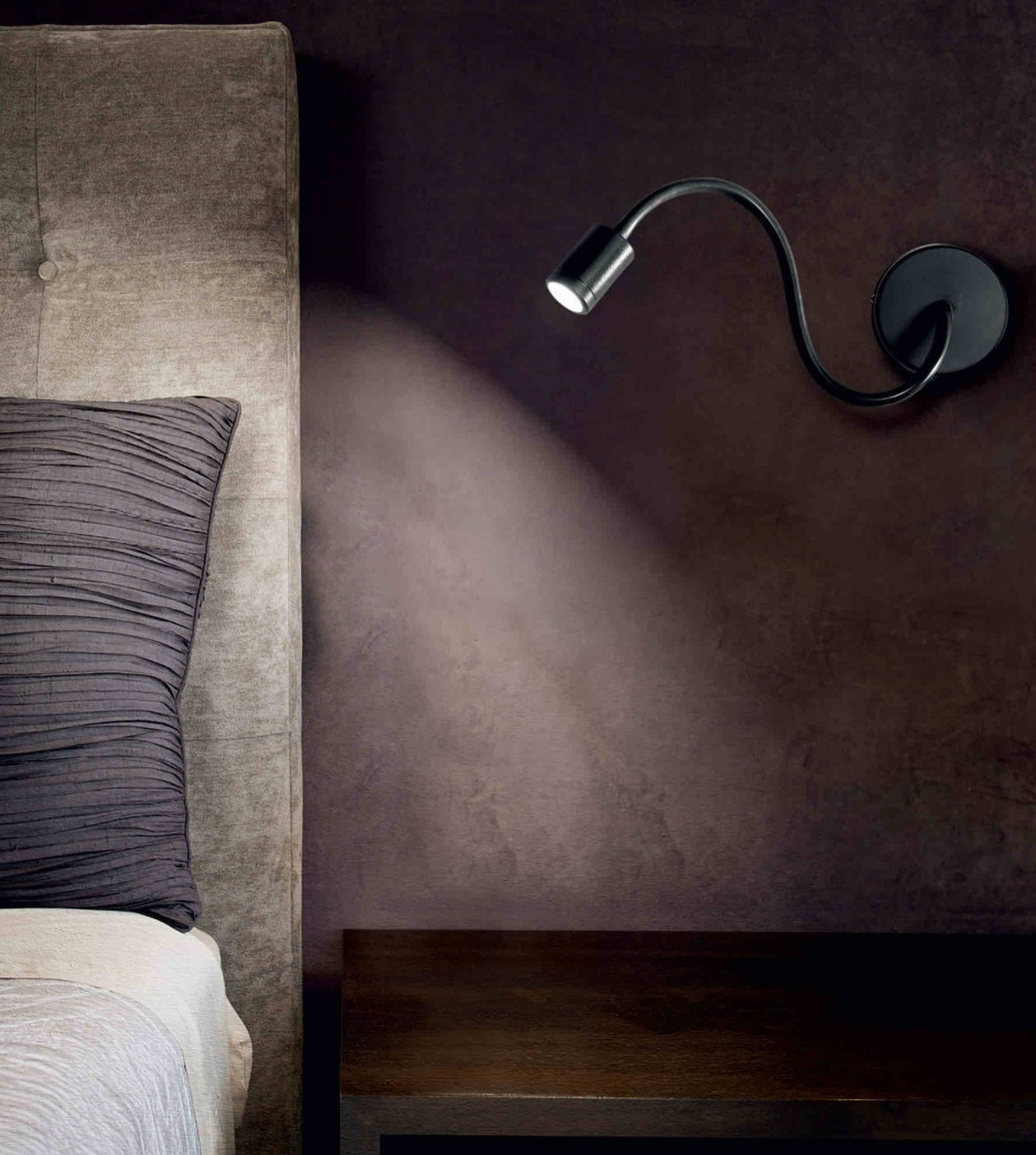
- Bedroom: 100 to 150 lumens per m², 2,700 K warm white and a reading light on each side of the bed.
- Hallway and entrance: 3,000 K warm white, a wall light every 2 to 3 m or a spotlight every 1 to 1.5 m.
- Home office: 300 to 500 lux on the desk, in 4,000 K neutral white.
- Bathroom: 200 to 300 lumens per m², with fittings rated for each BS 7671 zone (IPX4 minimum in zones 1 and 2, IP44 recommended elsewhere); see our bathroom lighting.
- Outdoors: IP44 under cover, IP65 in the rain, warm white of 2,700 to 3,000 K; see our outdoor lighting.
Combining three layers of light
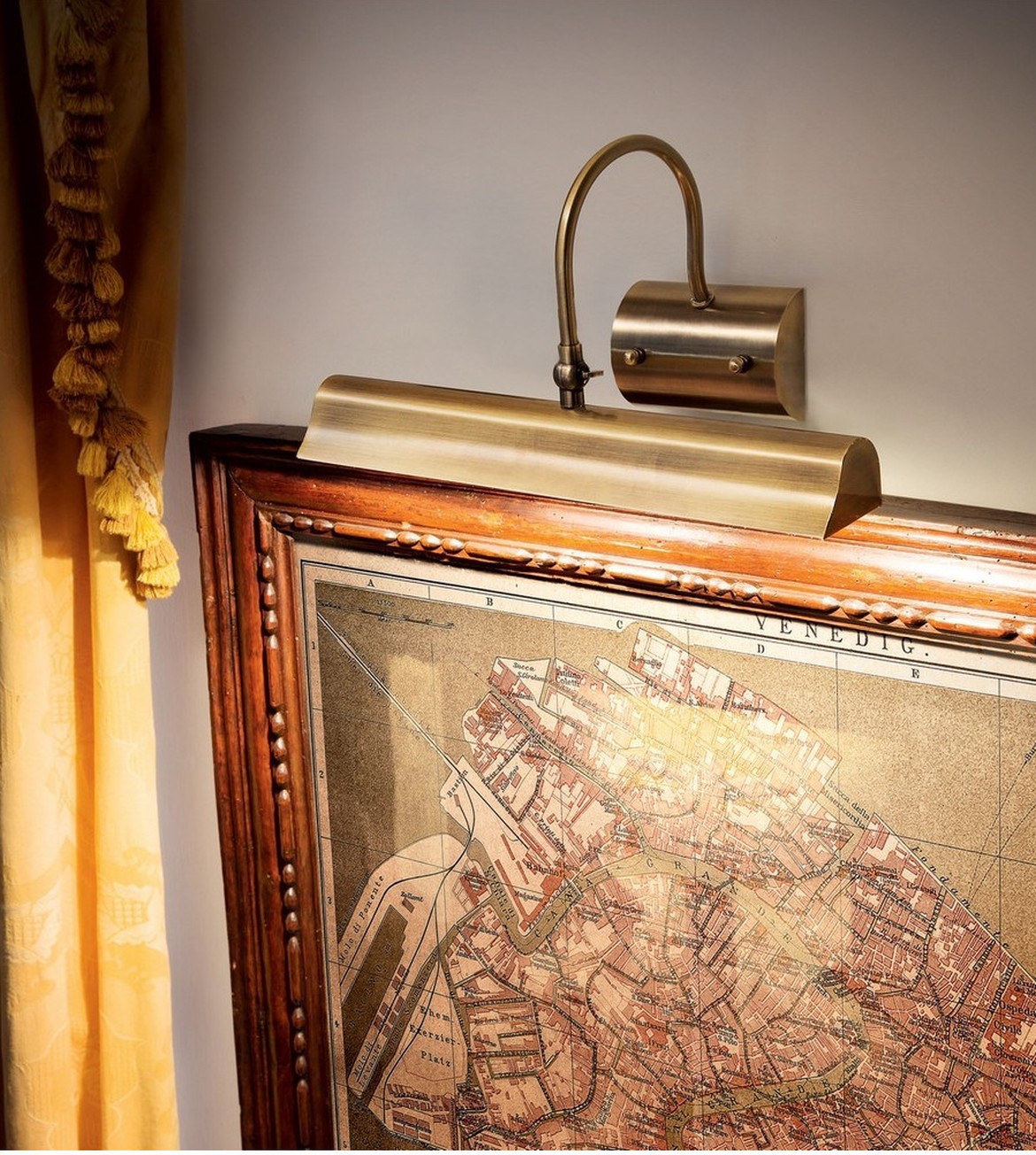
Successful lighting layers three levels. General lighting, from the ceiling, lets you move around: a ceiling light, pendant or chandelier. Secondary lighting, at eye level, sets the mood: a table lamp, floor lamp or wall light. Finally, accent lighting picks out a painting, an alcove or a worktop with an adjustable spotlight or a directional wall light.
Plan separate circuits or switches so you can move from one layer to another, and dimmable bulbs wherever you want to adjust the brightness. To find out more, read our guides which lighting for which room and which bulbs for which rooms.
Frequently asked questions about lighting by room
How do I work out how much light a room needs?
Multiply the floor area by the recommended output: 100 to 150 lumens per m² in a living room or bedroom, 200 to 300 lumens per m² in a kitchen or bathroom. An 8 m² kitchen therefore needs 1,600 to 2,400 lumens, shared between the ceiling light, the spotlights and the worktop lighting.
Can I mix different colour temperatures in one room?
It is best to keep the same colour temperature for every light source in one area: a 4,000 K ceiling light next to a 2,700 K lamp makes the light look mismatched. The one useful exception is 4,000 K neutral white over a worktop or desk, on a separate circuit, in a room otherwise lit in warm white.
How do I light a dark room?
Add more light sources rather than pushing a single ceiling light: wall lights that shine up and down, an uplighter floor lamp aimed at a pale ceiling, lamps in the corners. Aim for the top of the ranges, 150 lumens per m² in a living room, and keep to a warm white of 2,700 or 3,000 K to avoid a dull feel.
How do I coordinate lighting from one room to the next?
Keep a common thread, such as the same finish (gold brass, black or chrome) or the same material, and vary the shapes to suit each use. A modern living room can take a classic chandelier if its colour echoes other pieces in the room. Modern, classic, vintage and retro, industrial or Scandinavian styles all combine well with this rule.